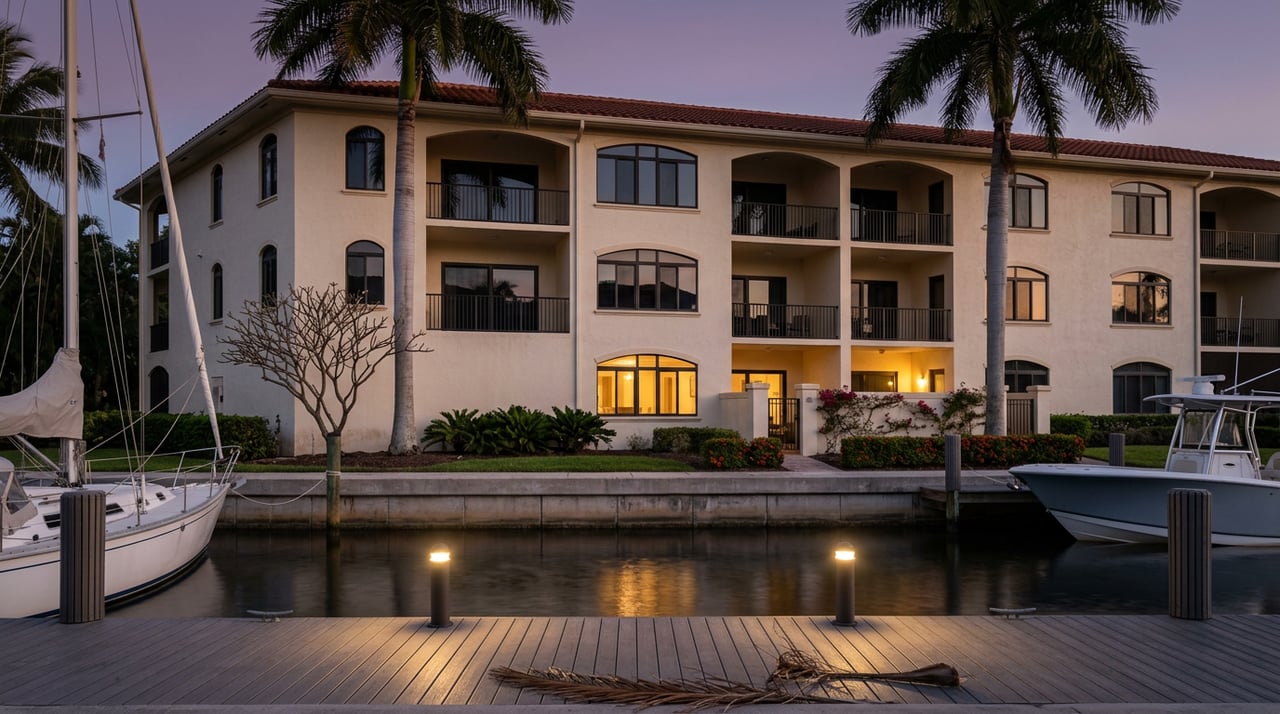
Wondering how to choose the right condo building in Downtown Tampa? That question matters more than most buyers expect, because downtown is not one single condo market. If you want the right fit for your routine, budget, and lifestyle, you need to look beyond the unit itself and compare the building, the block, and the rules that come with ownership. Let’s dive in.
Downtown Tampa Is Not One Condo Market
One of the biggest mistakes buyers make is treating Downtown Tampa like a single, interchangeable condo area. In reality, it works more like a collection of micro-markets, each with its own pace, access, and feel. The Tampa Downtown Partnership identifies areas such as the Downtown Core, Channel District, Water Street Tampa, Central Park, River Arts, Tampa Heights, and West Riverfront.
That matters because your day-to-day experience can change a lot from one area to the next. The City of Tampa describes downtown as a waterfront district with cultural, sporting, and entertainment uses, and the Downtown Core functions as the business center by day. The Channel District, by contrast, has a busier visitor-driven character tied to the cruise port and surrounding activity.
The Riverwalk is one of the biggest location features to think about as you compare buildings. City sources describe it as a 2.4-mile uninterrupted sidewalk along the Hillsborough River that connects parks, museums, restaurants, attractions, and public art. The TECO Line Streetcar also connects Downtown Tampa with the Channel District and Ybor City, which can be a practical advantage depending on how you like to get around.
Start With Your Daily Routine
Before you compare finishes, views, or pool decks, think about how you actually want to live. Do you want to step outside into the center of downtown activity, or would you rather have a more residential setting that still keeps you close to everything? That answer will usually narrow your building options fast.
You should also think about the practical side of daily life. In downtown condo living, parking setup, guest access, elevator flow, and building entry controls often matter just as much as square footage. Public parking exists downtown, but for owners, the more important questions are usually about the building’s garage, assigned spaces, and guest-parking rules.
Compare Key Downtown Tampa Condo Areas
Downtown Core
If you want a true central-city setting, the Downtown Core may be your best fit. This area tends to appeal to buyers who want close access to the business core, the Riverwalk, and a more classic urban high-rise experience. It can be a strong choice if you like being in the middle of the action and want a skyline-focused setting.
Channel District
The Channel District is often a strong match for buyers who want mixed-use living with easy access to restaurants, arena events, and the streetcar. Buildings here tend to sit in a busier environment, and the area has a more active street scene tied to tourism, cruise activity, and entertainment uses. If you enjoy an energetic setting, this area may feel like a natural fit.
Harbour Island
Harbour Island offers a useful contrast to the busier downtown submarkets. City planning documents describe local collector roads serving both residential and commercial uses, with traffic calming, bicycle lanes, and reduced speeds. In practical terms, that often gives Harbour Island a more residential, bridge-connected feel while keeping you close to downtown destinations.
Building Amenities Matter More Than You Think
In Downtown Tampa, the biggest differences between condo buildings usually come down to amenity density, parking configuration, and the level of urban activity outside your front door. Full-service towers can offer features like concierge service, valet, pools, spas, clubrooms, dog areas, storage, and controlled access. Those same features can also play a role in monthly dues and future reserve-funding conversations.
That does not mean more amenities are always better. It means the right building is the one whose features match how you will really use them. If you travel often, a concierge and controlled access may matter a lot. If you have frequent guests, guest parking and building access rules may be just as important as the fitness center.
A Look at Notable Condo Buildings
SkyPoint
SkyPoint is a strong option if you want a central Downtown Core address and a skyline-oriented lifestyle. Current listings describe features such as 24-hour concierge service, controlled access, fitness facilities, a rooftop pool and spa, clubroom and media spaces, grilling areas, and secured garage parking. One current listing also places the building directly across from Curtis Hixon Park and highlights river, bay, and downtown skyline views.
Grand Central at Kennedy
Grand Central at Kennedy stands out as a mixed-use Channel District option. Current sources describe it as a two-building condo community with street-level retail and office components, two pool decks with spas, clubrooms, fitness space, dog-walk areas, and secure covered parking. One important detail is that parking is handled unit by unit, so you will want to confirm the exact assigned space count and garage access rules for the specific unit you are considering.
Towers of Channelside
Towers of Channelside often appeals to buyers who want larger layouts and a more waterfront-facing Channelside setting. Recent listings point to two assigned garage spaces in many units, storage lockers, secured or guarded access, a resort-style pool and spa, clubhouse or fitness space, and dog-park or dog-walk amenities. Many units are also marketed with bay, cruise-ship, or Harbour Island views.
The Plaza Harbour Island
The Plaza Harbour Island is often the clearest match for buyers who want a more service-heavy, waterfront-adjacent lifestyle. Current listings describe valet parking, 24-hour concierge, private elevator foyers or lobbies in select units, guest suites, fitness and social rooms, and resort-style pool and spa amenities. Views commonly include the bay, skyline, port, Water Street, or Channelside, and parking counts can vary from one to several spaces depending on the unit.
Verify the Unit, Not Just the Building
One of the most important lessons in condo shopping is this: a building’s reputation only tells part of the story. Parking, storage, and view lines can vary a lot even within the same tower. Current listings for buildings like SkyPoint, Towers of Channelside, and The Plaza show different parking counts and view orientations by unit.
That means you should verify the exact deeded package for the residence you want. Ask about assigned parking, storage, guest-parking policies, and any unit-specific features that may not apply building-wide. This step can save you from assumptions that affect both convenience and long-term value.
Condo Documents Deserve Real Attention
In Florida, condo document review is not just a box to check. State law makes these documents central to the purchase decision. For qualifying residential condominiums, developers must provide a prospectus or offering circular that explains items such as voting rights, unit-use restrictions, leasing restrictions, recurring fees, assessments, litigation exposure, and any mandatory recreational-facility fees.
For resale purchases, buyers are also entitled to important association documents. These include the declaration, articles, bylaws and rules, annual budget, and, when applicable, the milestone-inspection summary and the association’s most recent Structural Integrity Reserve Study, or a statement that none has been completed. These records can tell you a lot about how the building operates and what costs may be ahead.
Why Reserve Studies and Inspections Matter
Florida’s post-Surfside condo framework makes reserve planning and inspections especially important in older high-rise markets like Downtown Tampa. The Florida Department of Business and Professional Regulation states that unit-owner-controlled associations existing on or before July 1, 2022 must complete a Structural Integrity Reserve Study by December 31, 2025, and then at least every 10 years. If a milestone inspection is required on or before December 31, 2026, the study can be completed at the same time, but not later than that.
This matters because reserve funding can come through regular assessments, special assessments, loans, or lines of credit under Florida law. In plain terms, a building’s monthly carrying cost can change after a study or inspection cycle. That is why buyers should review the budget, reserve information, and any outstanding structural items carefully before moving forward.
Questions to Ask Before You Buy
As you compare Downtown Tampa condo buildings, keep your questions focused on both livability and cost. A beautiful unit can still be the wrong fit if the ownership structure does not match your needs.
Here are some of the most important questions to ask:
- How many parking spaces are assigned to this specific unit?
- Are the spaces deeded, reserved, or otherwise controlled?
- What is the guest-parking policy?
- Is there additional storage, and is it deeded or limited-use?
- What are the current pet rules?
- Are there rental minimums or leasing restrictions?
- Are there any pending special assessments?
- What are the association’s insurance deductibles?
- Are any structural repairs, milestone items, or reserve-related projects still outstanding?
Tour Buildings at Different Times
A smart condo search is not just about what you see during one showing. The Downtown Core, Channel District, and Harbour Island can all feel different depending on the time of day and the day of the week. Office traffic, nightlife, event traffic, and cruise-related activity can all change your experience.
That is why it helps to visit at least once during a weekday workday and once at night or on a weekend. You will get a more realistic picture of noise levels, traffic patterns, parking flow, and how the area feels when you would actually be home.
The Best Building Is the Best Match
There is no one universally best condo building in Downtown Tampa. The right choice usually comes down to how well a building’s amenities, parking setup, and micro-location align with your routine and your comfort level with urban activity. For some buyers, that points to SkyPoint and a central skyline-focused lifestyle. For others, it may mean Grand Central at Kennedy or Towers of Channelside for mixed-use Channelside living, or The Plaza Harbour Island for a more service-forward and residential-feeling setting.
If you want help sorting through Downtown Tampa condo options, comparing buildings, and evaluating the details that matter beyond the photos, Kristen Richards can help you make a confident, well-informed move.
FAQs
What makes Downtown Tampa condo buildings different from each other?
- Downtown Tampa works as a group of micro-markets, so buildings differ by location, surrounding activity, parking setup, amenity package, and access to places like the Riverwalk or streetcar.
What should you verify before buying a Downtown Tampa condo unit?
- You should confirm the specific unit’s parking spaces, storage, guest-parking rules, pet rules, rental restrictions, assessments, insurance deductibles, and any outstanding structural or reserve-related items.
Which Downtown Tampa area is best for a central urban lifestyle?
- The Downtown Core is often the best fit if you want a central-city setting with close access to the business core, the Riverwalk, and a classic downtown high-rise feel.
Why is Harbour Island different from the Downtown Core or Channel District?
- Harbour Island tends to feel more residential and bridge-connected, with traffic-calming features and a setting that contrasts with the busier activity of the Downtown Core and Channel District.
Why do Florida condo documents matter so much in Downtown Tampa?
- Florida condo documents can reveal use restrictions, budgets, fees, assessments, reserve-study information, and inspection summaries that may affect both your timing and your long-term ownership costs.